Redesigned a babysitting marketplace app that reduced churn by 5% and increased revenue
Busy Bees, a Phoenix-based two-sided marketplace for babysitting, connects parents in need of childcare with sitters seeking work. As they prepared for further fundraising, they engaged us to lead a comprehensive app redesign. Using the newly created logo, we developed a fresh, playful, and premium app design that preserved the original tone and elements the founder valued while optimizing key user flows.
Marketplace
Busybees
Mobile app
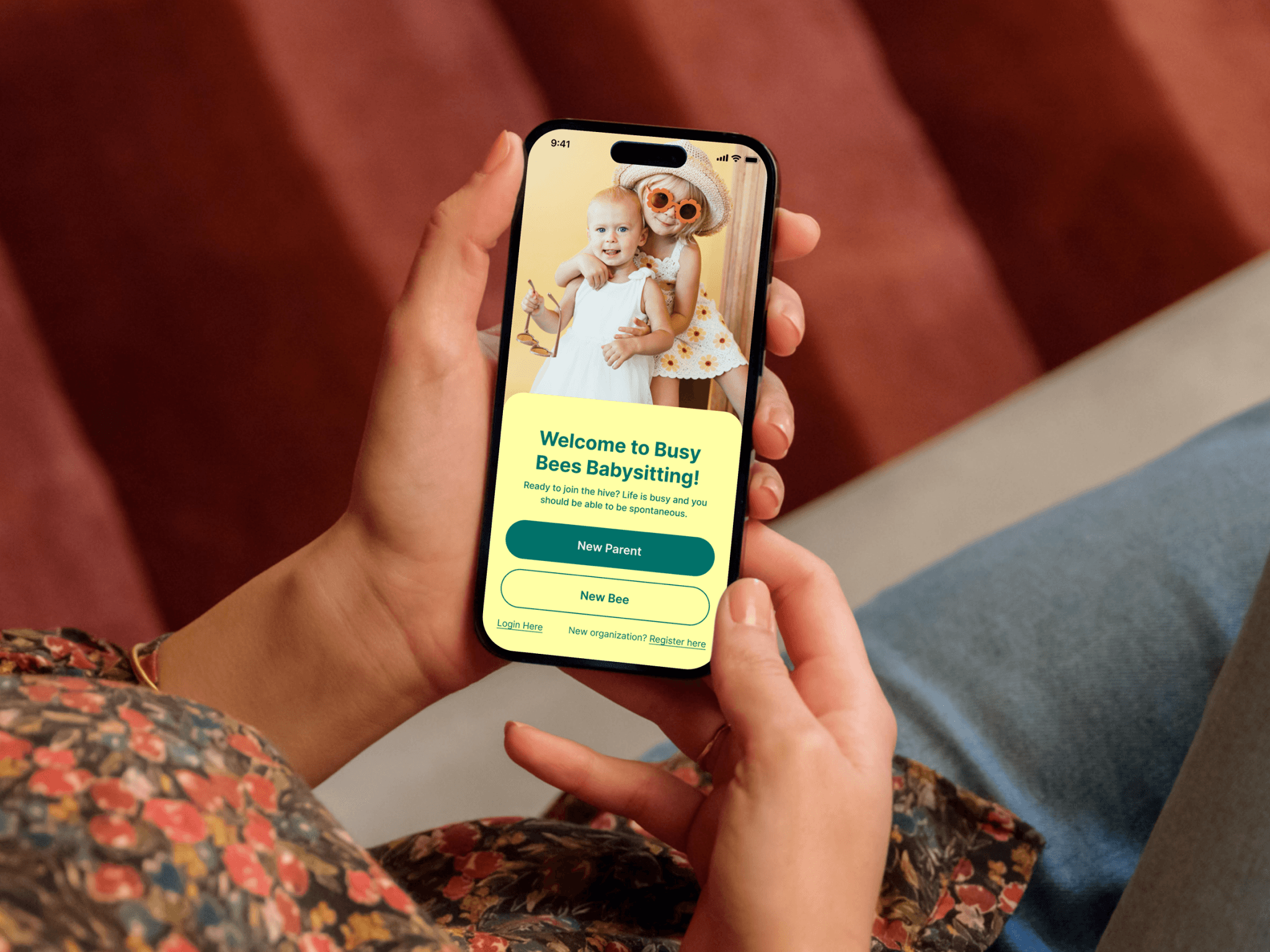
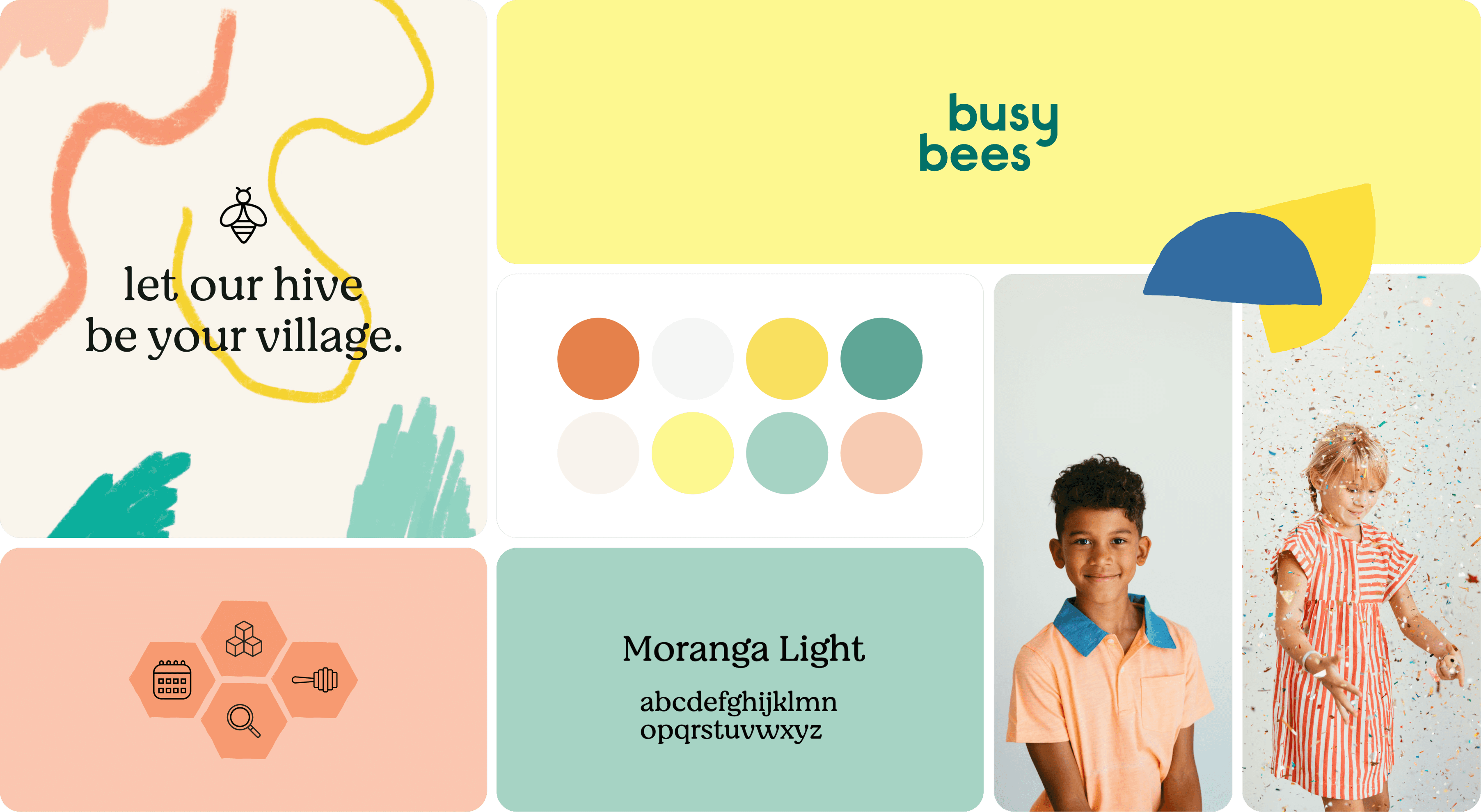
Crafting a design direction from a new brand foundation
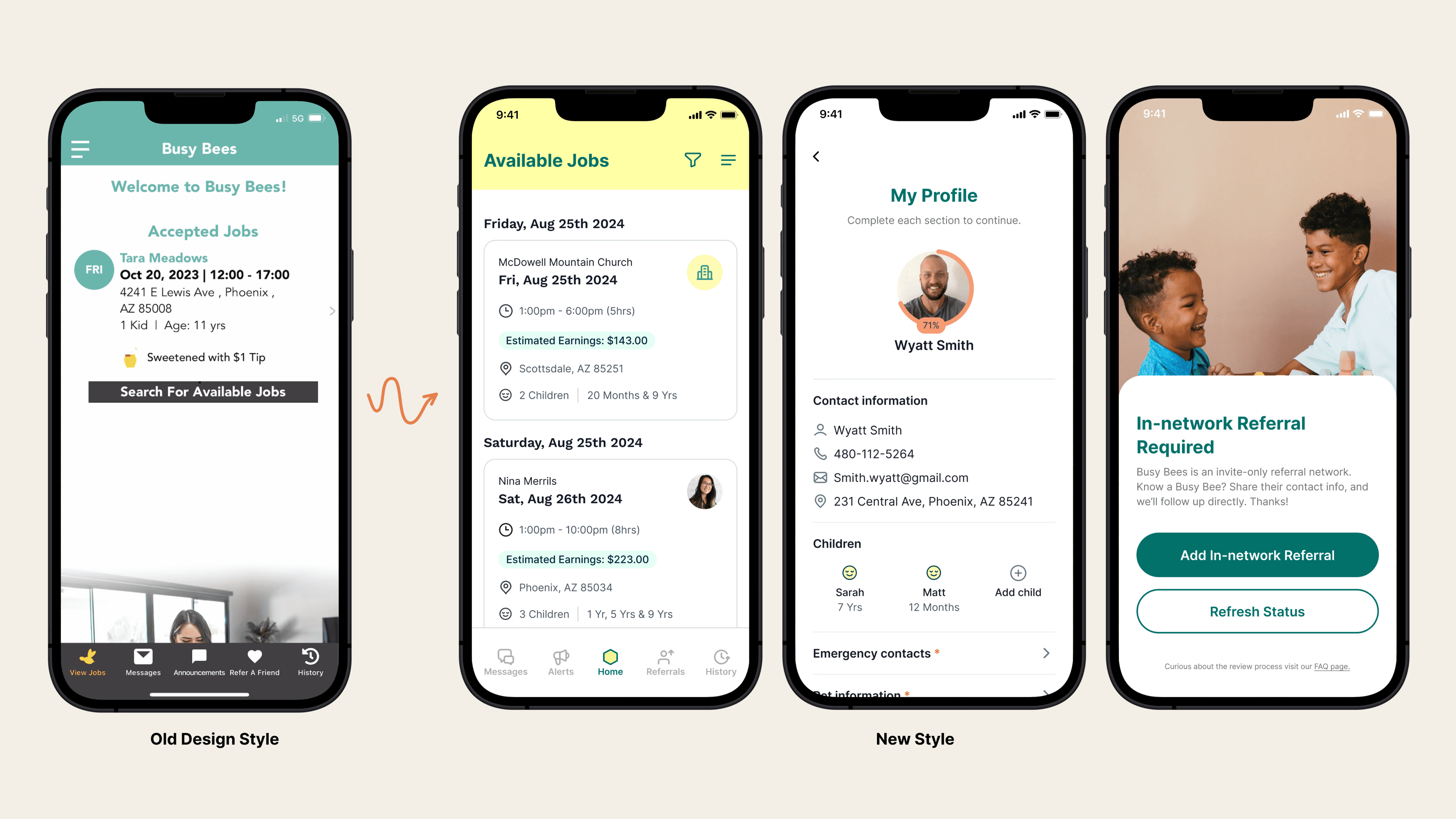
With a new logo and color palette in place, we explored multiple visual directions before aligning with the team on a youthful, playful, and trustworthy aesthetic. This direction carried through key product surfaces, creating a more cohesive and recognizable experience across the app.

Making onboarding actually work
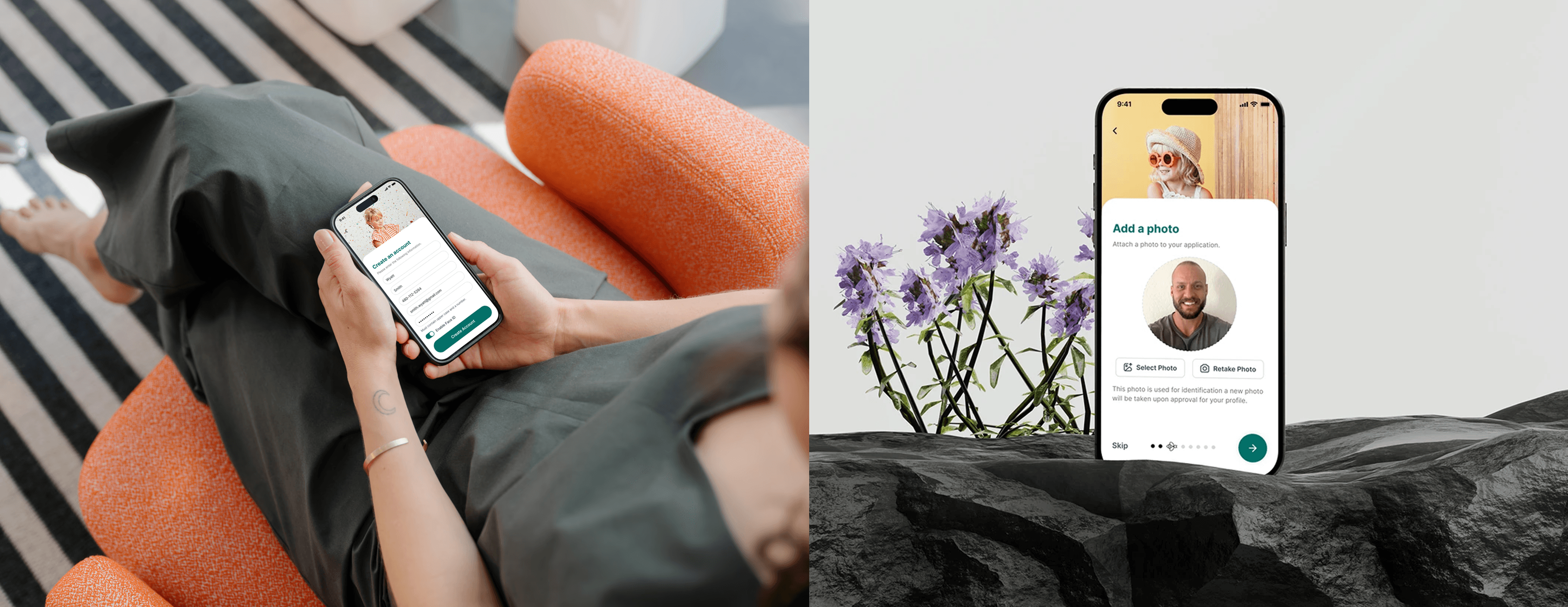
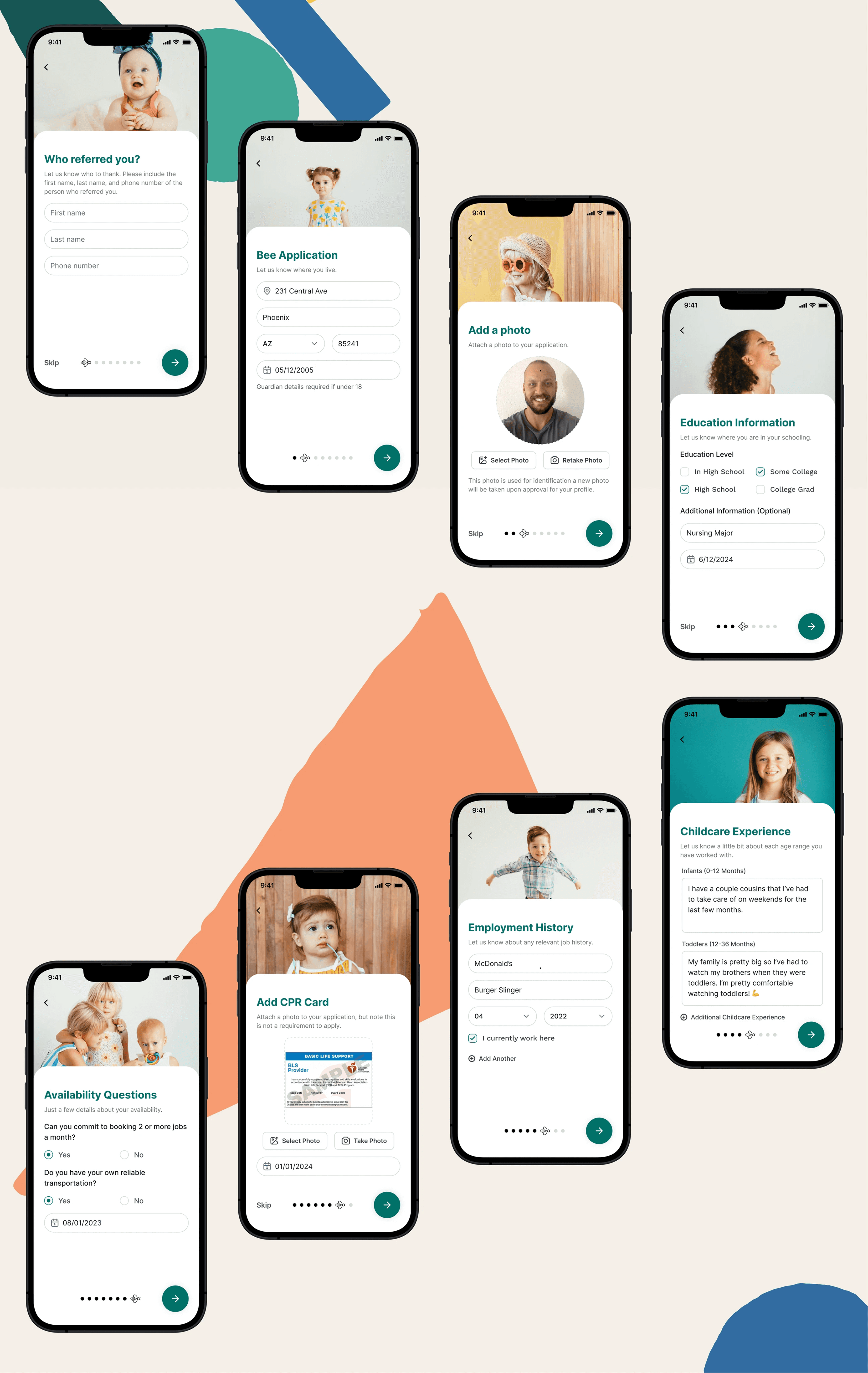
Parents and sitters were frequently reaching out for help completing onboarding, creating support overhead and slowing activation. This was bleeding time and money. We restructured onboarding to clarify required steps, improve guidance, and remove ambiguity so users could move through setup with confidence.
Helping parents post jobs that get filled
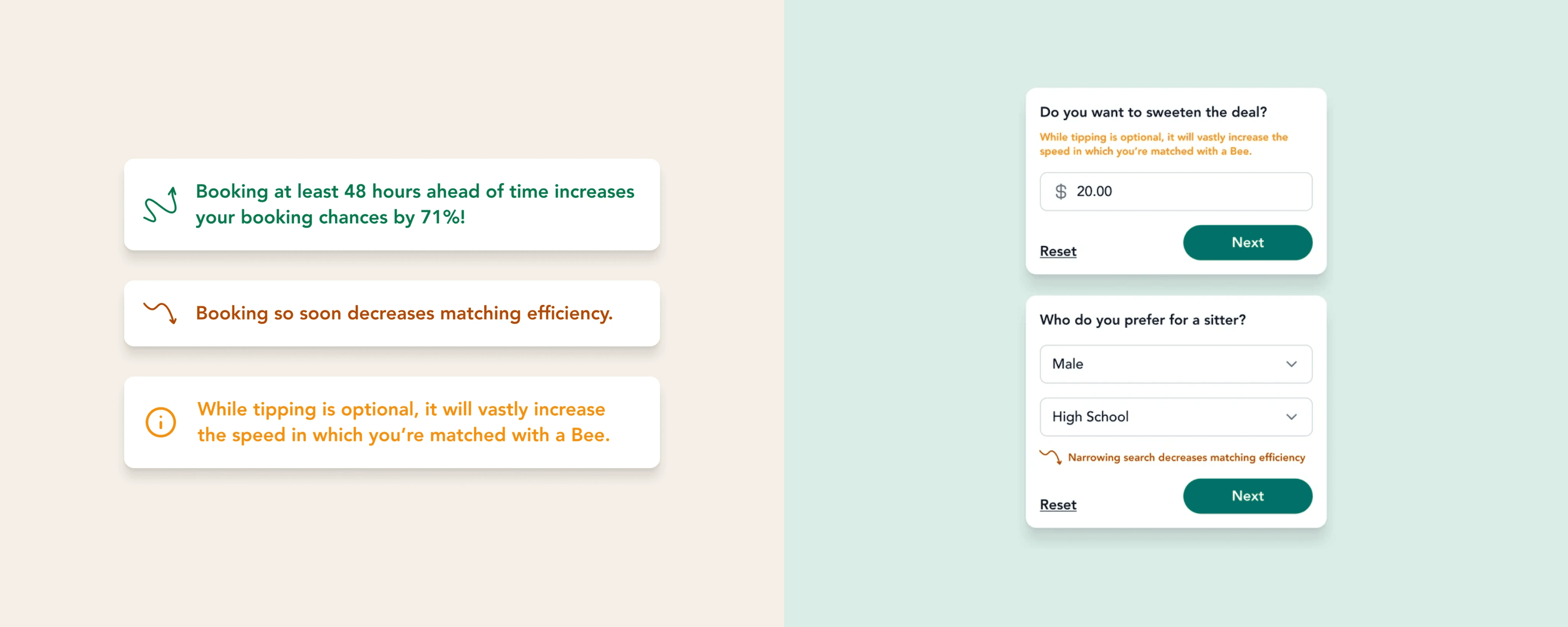
Jobs were going unfilled not because there weren't sitters available, but because parents didn't know how to write a good posting. We added contextual tips throughout the job creation flow—little nudges about what info sitters need, what makes a job more attractive, and realistic expectations about fill rates.
Improving job scanability for sitters
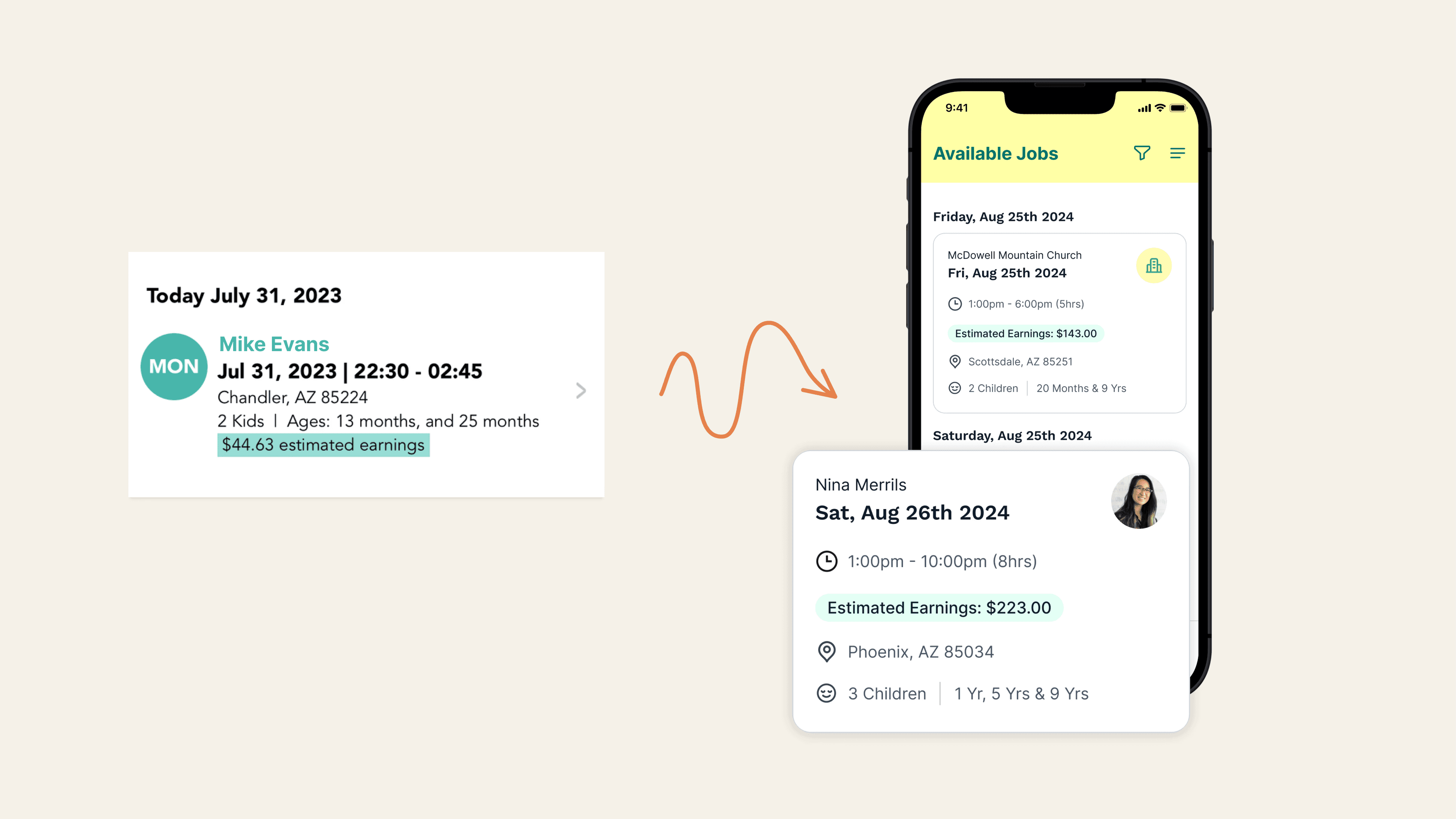
The old job cards had terrible visual hierarchy, everything looked equally important, which meant nothing stood out. We redesigned them so sitters could quickly scan the details that mattered: pay, location, timing, and family specifics. Less thinking, faster decisions.
Outcomes
We introduced a new design direction and streamlined core marketplace flows across onboarding, job discovery, and booking. The updates helped Busy Bees improve platform efficiency, contributing to a 5% reduction in churn and a 14% increase in revenue. More importantly, customer support stopped fielding the same basic questions, and jobs started filling faster because parents actually understood what made a good posting.